An ideal situation
in the heart of a historic region
Located on the hillsides overlooking the right bank of the Garonne, the Premières Côtes de Bordeaux region boasts a rolling landscape where vineyards, forests, and meadows have blended harmoniously for centuries. This privileged location explains the region's very name and has always favored viticulture.
From ancient origins to the medieval rise
The history of winemaking dates back to antiquity, when the Romans, then called Burdigala, planted the first vines on these hillsides. They introduced grape varieties adapted to the local climate, laying the foundations for a sustainable vineyard. In the Middle Ages, the vineyard experienced significant growth thanks to the development of river trade on the Garonne. The wines produced on these hillsides were transported by boat to Bordeaux and then exported abroad, contributing to the region's renown.
A story that continues through the centuries
Over time, the Premières Côtes de Bordeaux region has preserved its winemaking identity while evolving. The official recognition of appellations, particularly in the 20th century, confirms the quality and distinctive character of the wines produced from these historic terroirs. Even today, this centuries-old winemaking heritage continues to inspire generations of winemakers who perpetuate a savoir-faire passed down since antiquity.
An exceptional wine
The wines of the Premières Côtes de Bordeaux region are produced according to strict standards, in the purest Bordeaux tradition: limited yields, vinification in small batches, prolonged aging and systematic controls by a certified body which guarantees the PDO.
https://www.youtube.com/watch?v=Qz4hoa97rB0
Passionate and committed winemakers
In this region, authenticity and passion meet at every turn. The winemakers guide their clients with genuine care, sharing their expertise and family history, often passed down through generations. Today, many women actively participate in the life of the vineyards, strengthening the dynamism and ensuring the long-term viability of the estates.

At Vignobles Pestoury, each wine is a living expression of the terroir, shaped by the soil, the climate, the vine, and human expertise. "The terroir is not static; it is constantly evolving, and each vintage reveals a new facet of it," explains Marie Pestoury.
Organic farming, adopted since 2020, plays a key role in this nature-friendly approach. The clay, limestone, and gravel soils are carefully cultivated without chemicals, and natural ground cover promotes biodiversity. The vineyard, a testament to the family's past, is both rooted in history and forward-looking, with a gradual renewal of plantings to adapt to climate change.
Each vintage reflects the year's climate, and rather than trying to smooth out these variations, the estate celebrates them. "We let each vintage tell its own story, with its surprises and challenges." This respect for the natural world is also reflected in the winemaking, carried out on-site by the family, who perpetuate a know-how passed down for five generations.
The authenticity of the estate is experienced daily, in the gestures of working the vines as well as in moments of sharing. "Observing the vines, understanding their needs, intervening with precision—that's what guides us." And when evening falls, these moments continue with visitors to the estate, where they exchange ideas about wine, the land, and family history. This is how Vignobles Pestoury cultivates not only their vines, but also the precious link between nature and tradition.
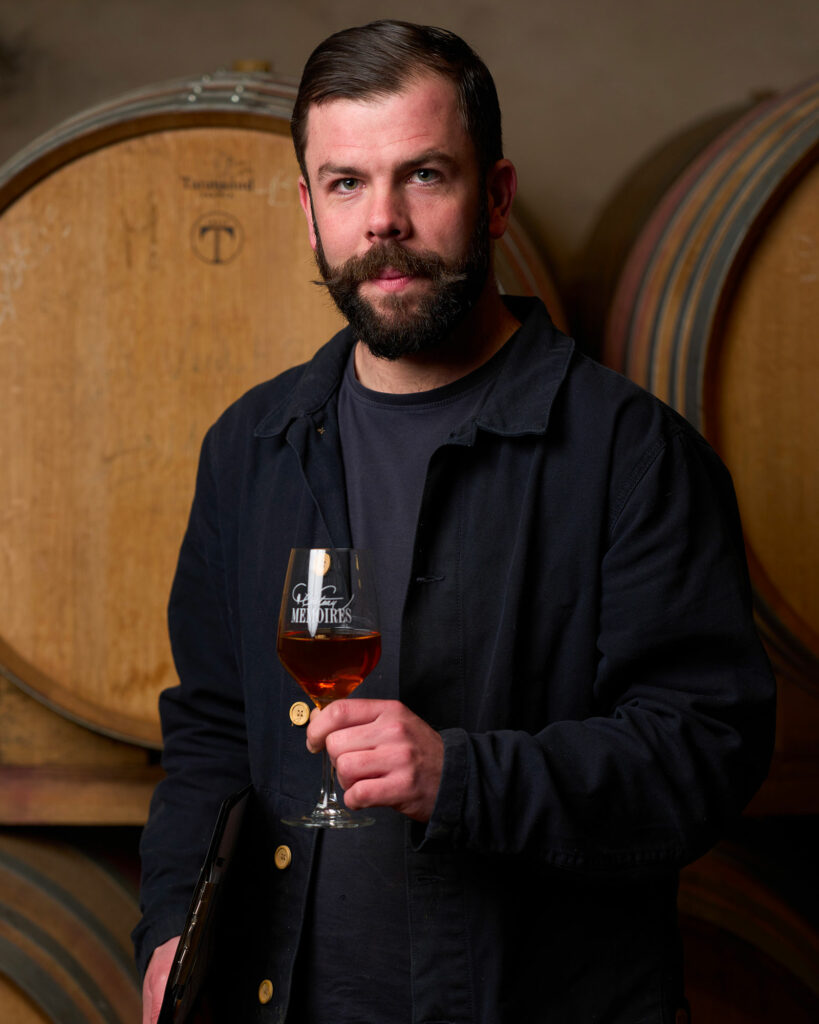
Founded in 1985 by Jean-François Ménard, Château Mémoires has grown over the years, expanding from 5 to 30 hectares thanks to the acquisition of a former wine estate in the hills above Saint-Maixant, a few kilometers from Langon. Facing due south on the first slopes of the Garonne, its vines benefit from an exceptional setting that shapes the unique character of its wines.
A pioneer in its environmental approach, the estate has been certified organic since 2012 and took another step forward in 2019 with its conversion to biodynamic farming. This commitment translates into viticulture that respects living organisms, where each grape variety – Merlot, Cabernet Sauvignon, Malbec, and Petit Verdot for reds, and Sauvignon Blanc, Sémillon, and Muscadelle for whites – fully expresses its terroir.
Awarded the "Vineyards and Wineries of Bordeaux" label, Château Mémoires is a place where history and culture intertwine with wine. Located between the Verdelais Calvary, François Mauriac's Château Malagar, and Malromé, Toulouse-Lautrec's former residence, the estate offers a breathtaking panorama of the Garonne Valley. It's an ideal setting to discover authentic wines, deeply rooted in their terroir and driven by a forward-looking vision.
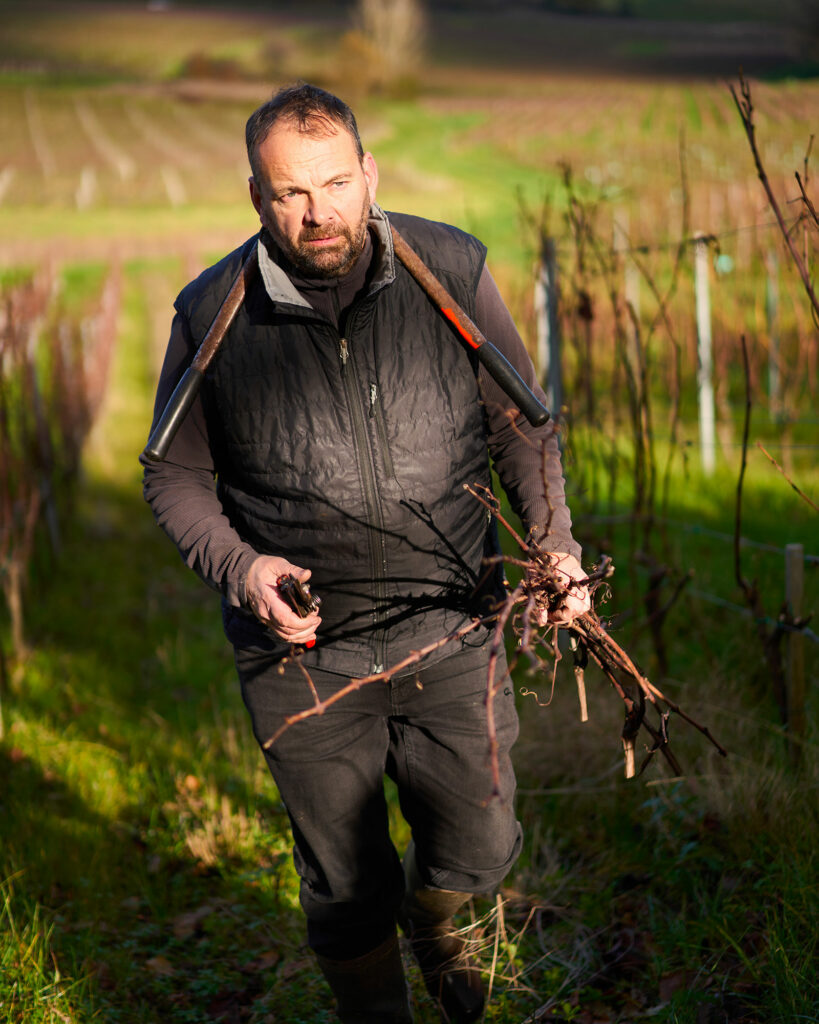
Since 1870, the Solane family has cultivated vines in Crabitan, in the hills above Sainte-Croix-du-Mont. Originally coopers, they gradually developed their vineyard, preserving a family tradition passed down through generations. Today, Nicolas Solane carries on this tradition with passion, striving every day to bring the grapes to optimal ripeness to produce wines that are always a pleasure to drink.
Château Crabitan Bellevue offers a range of wines that showcase the richness of the terroir. The Sainte-Croix-du-Mont wines express all the finesse of sweet wines, with notes of candied fruit and a beautiful aromatic complexity. The red Bordeaux wines are fruity and balanced, offering a lovely structure and silky tannins, while the dry white Bordeaux wines charm with their freshness and citrus aromas.
At Château Crabitan Bellevue, each bottle tells a story, that of a family committed to preserving its terroir and expertise. Blending tradition and modernity, the estate continues to write its history with authentic and approachable wines, to be discovered on-site or at the wine fairs and exhibitions that have contributed to its renown.
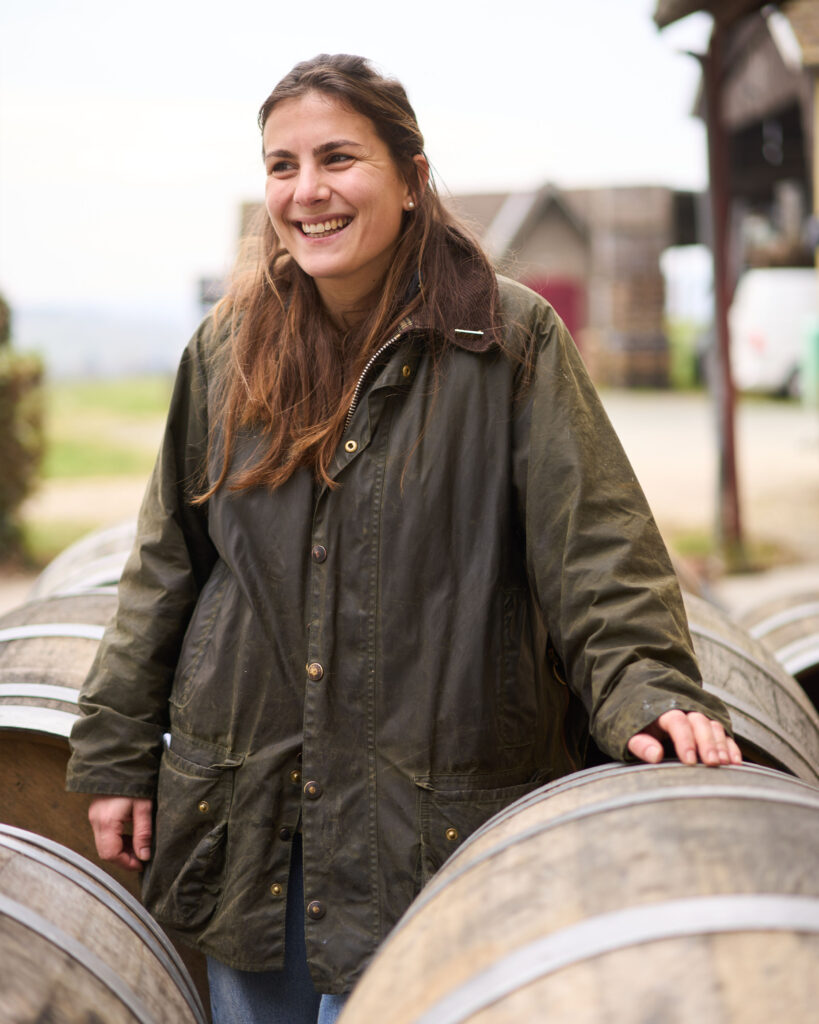
At Château Bel Air, the vineyard sets its own rhythm, alternating between periods of tension and moments of stillness. "The atmosphere is simple and relaxed," says Clémence Medeville, between the meticulous work of the seasons, the intensity of the harvest, and the pleasure of tasting the fruit of a year's effort during the blending process.
The estate's wines are designed to be enjoyed without artifice. "Our wines should be understood and loved naturally, even by those who think they know nothing about wine." With a complete range—dry white, red, rosé, off-dry, sweet, and sparkling—they accompany simple, authentic moments: a pot-au-feu with a red wine from the Côtes de Bordeaux, cheese with a dry white, or a lemon tart enhanced by a sweet wine.
The terroir shapes their character: limestone slopes where the vines draw a minerality that gives the wines a balance between freshness and depth. A family heritage, the estate's sweet wine has been produced continuously since 1836, a commitment that Clémence intends to perpetuate: "Despite these challenging times, we will continue making this cuvée, just as my father did before me."
Aware of the challenges facing viticulture, the estate is committed to a sustainable approach: cover cropping, adapting practices, and preserving the soil. "We do what we can with what we have, so that the vines will still be here tomorrow."
And then there are the unique landscapes of the Premières Côtes de Bordeaux, where working on the steep slopes transforms into contemplation. "The serenity you feel on these hillsides is incredible." Like during the harvest, when the day ends and the team gathers, a glass in hand, under the last rays of sunlight – a suspended moment that encapsulates the soul of Château Bel Air.
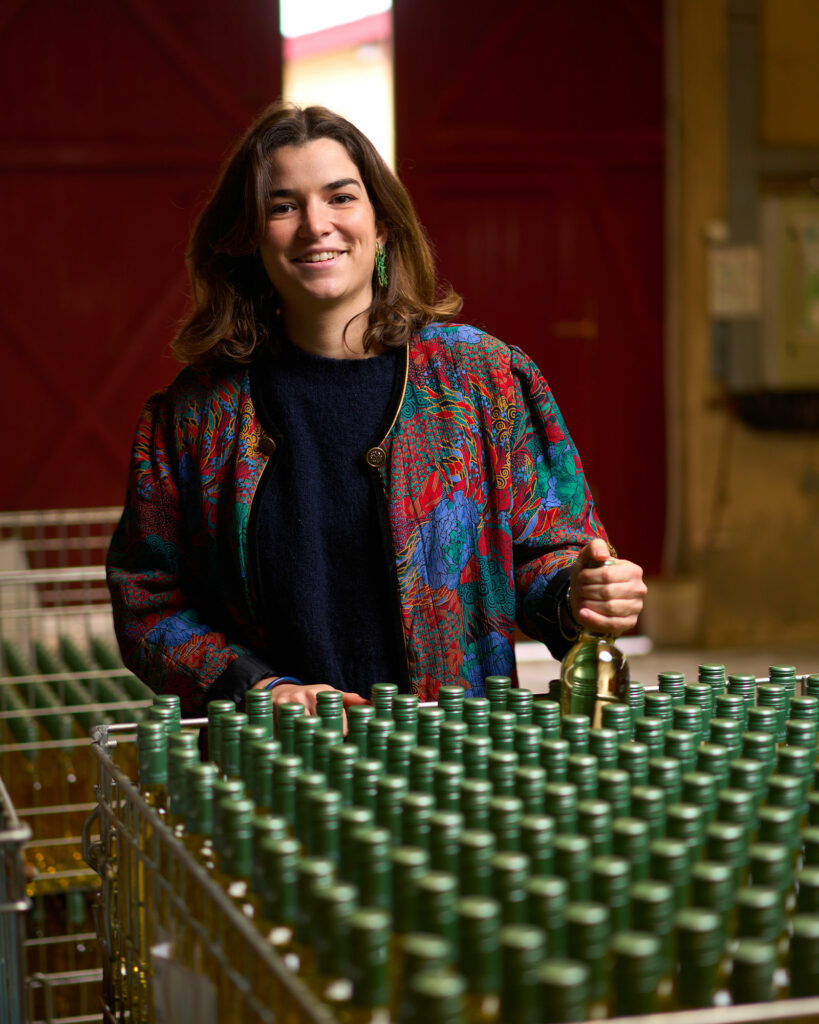
At Château Lamothe de Haux, wine is a family affair, where three generations work together in a warm and welcoming atmosphere. Everyone finds their place, and tastings become essential moments of exchange to refine each vintage and guarantee a truly accomplished wine.
This diversity is found in a range of colorful and accessible wines, designed for all moments of tasting. From lively white to structured reds, including sweet wines and even an orange wine, each vintage reveals a facet of the terroir. Latest creation, Berries, a light and fruity red, seduces with its deliciousness and freshness.
The estate's authenticity stems from a deep respect for the terroir and a meticulous approach to winemaking. The 17th-century underground quarries, used as aging cellars, offer ideal wine preservation while enhancing the estate's heritage.
Committed to a sustainable and responsible approach, the château preserves hectares of meadows and forests, invests in renewable energy, and strives to minimize its environmental impact. Here, the wine reflects a preserved landscape and a know-how that respects nature.
Finally, Château Lamothe de Haux embodies the spirit of the Premières Côtes de Bordeaux: a balance between nature and proximity to Bordeaux. Between vineyards, forests and limestone cliffs, the Garonne River shapes a unique landscape, ideal for viticulture and escape.
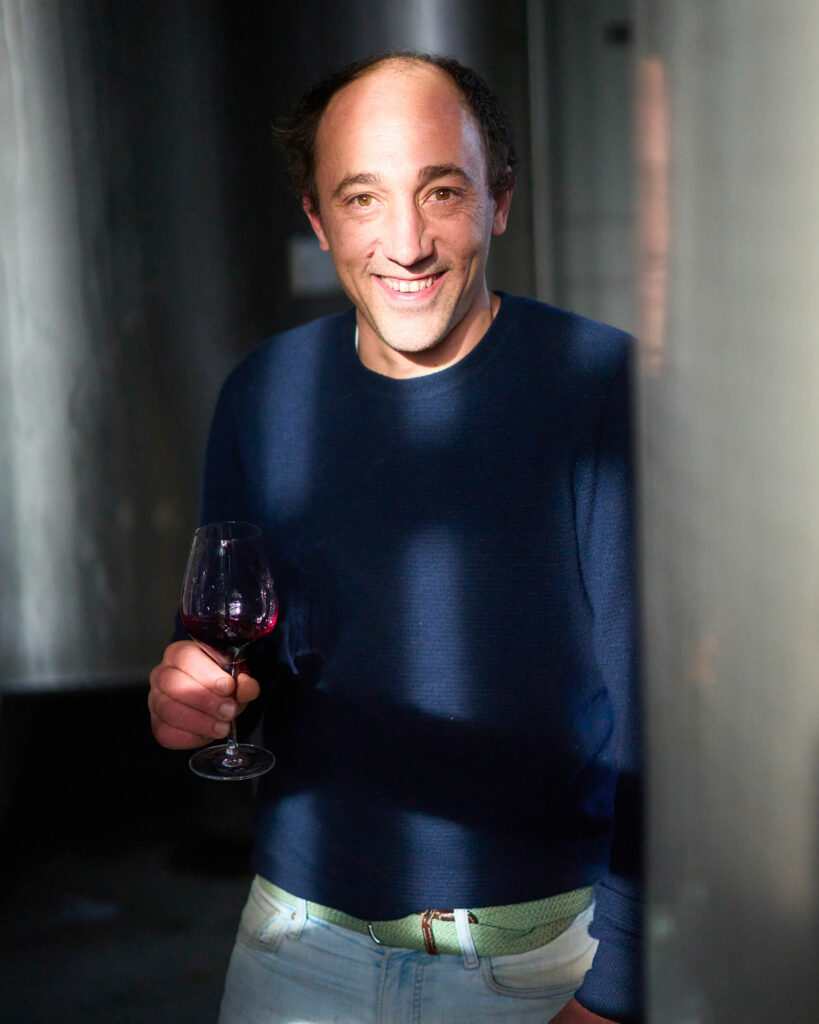
At Château La Peyruche, the atmosphere is familial, committed, and respectful—a place where each day is a sensory and human experience. "A beautiful day is a ray of sunshine on the hillside, the awakening of spring, a memorable tasting, or customer feedback on the emotion our wines evoke." More than just a job, it's a daily life punctuated by the transmission of expertise and the sharing of ideas and sensations.
The estate's wines reflect the terroir and the vintage, crafted with simplicity to be enjoyed without pretension. "A bottle should be opened to bring people together, to talk, and to share a moment in life." With a range spanning from dry white to red, including Pet' Nat, they naturally find their place at the table: a rack of lamb enhanced by the 1603 Cabernet Sauvignon cuvée, a Garenne white wine paired with oysters, or a charcuterie board with the sulfite-free 1603 Merlot cuvée.
The authenticity of Château La Peyruche rests on an agroecological approach that respects nature. Organic viticulture, soon to be biodynamic, is practiced within a comprehensive project that includes fallow land, beehives, vegetable gardens, orchards, and over 700 trees planted in five years. "Making natural wine, there's nothing more authentic." This vision is also reflected in the cellar, with plot-by-plot vinification that limits inputs to preserve the pure expression of the vintage and the terroir.
Nestled in a timeless setting, the estate benefits from a diversity of soils and exceptional exposures, ranging from gravel to limestone, at altitudes between 32 and 83 meters. This unique natural environment shapes wines with strong personalities and invites immersion in a vibrant and preserved landscape.
The winegrowers of the Premières Côtes de Bordeaux region work to preserve their territory: landscapes, heritage, quality of life and soil diversity. While perpetuating traditional methods, they adopt modern practices that respect the environment.

Many properties are engaged in certified processes, such as SME —Environmental Management System —, HVE —High Environmental Value —,
l’AREA — Agriculture Respectueuse de l’Environnement en Aquitaine — et dans des certifications bios et biodynamie, garantissant un vin responsable et durable.